
Two-year old gene-editing Chinese scandal finds closure with global commission report
1/6
Not yet time
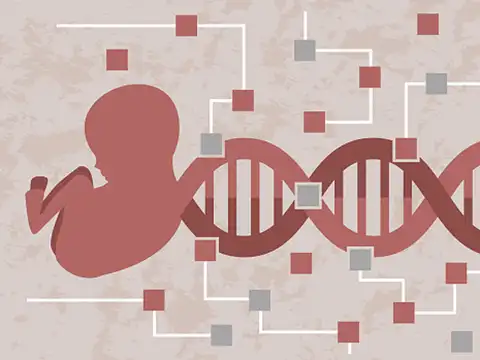
Techniques to genetically-edit human embryos should not be used until they are proved to be reliable and safe, an international commission said Thursday, in the wake of a scandal over gene-modified babies in China two years ago, reports AFP.
2/6
Gene editing
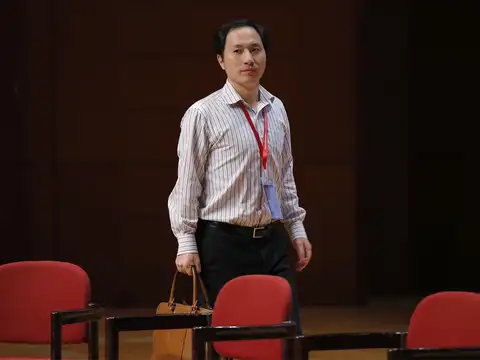
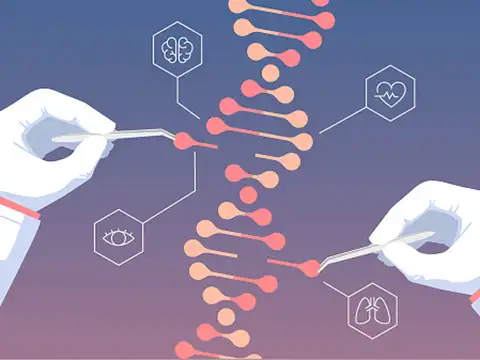
The body was set up after Chinese biophysicist He Jiankui (in pic) triggered an international scandal by claiming in 2018 that he was behind the world's first gene-edited babies using Crispr, a powerful new tool that acts as a kind of molecular "scissors".
3/6
Playing God
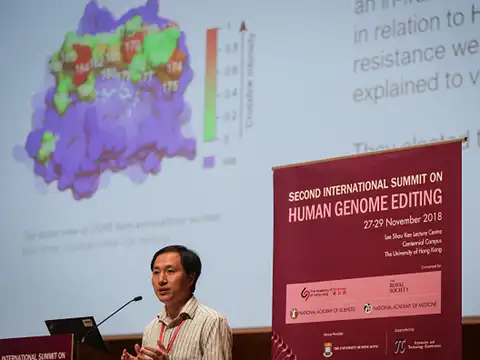
Ignoring ethical and scientific norms, he created the twins Lula and Nana with alterations to their genomes meant to give them immunity to HIV. He was sentenced to three years in prison for illegal medical practice by a Chinese court in December.
Amazon Top Deals
POWERED BY

Crompton Ozone 75 Litres Desert Air Cooler for home | Large & Easy Clean Ice Chamber | 4-Way Air Deflection | High Density Honeycomb Pads | Everlast Pump | Auto Fill| 3 Year Brand Warranty
₹9,798Buy Now43%
OFF

LG 32 L Convection Microwave Oven (MC3286BRUM, Black, 360° Motorised Rotisserie for Bar-be-queing, 301 Auto Cook Menu, Stainless steel cavity, Indian Cuisine, Tandoor Se, Steam Clean & Diet Fry)
₹19,340Buy Now19%
OFF
4/6
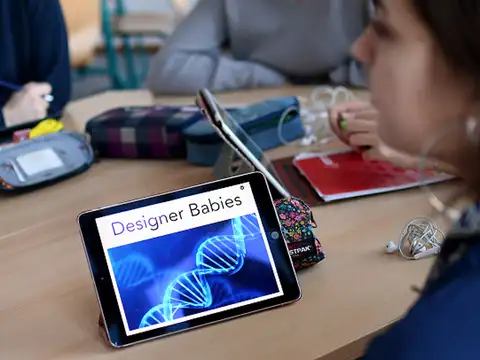
Designer babies
The case alarmed scientists worldwide, raising questions about bioethics and global oversight of scientific research, as well as reigniting fears about parents creating so-called "designer babies".
5/6
Future framework
This commission, made up of 18 experts from different disciplines, did not reject the principle of genetic modification in humans but aimed to provide a framework for countries considering the use of the technology.
6/6
CRISPR
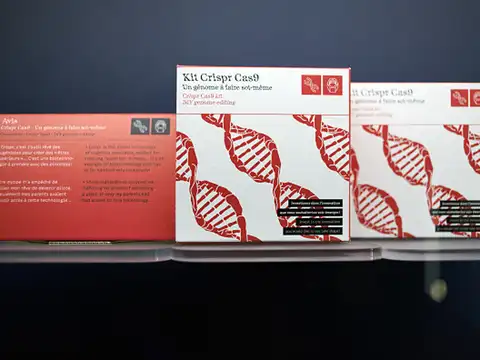
CRISPR-Cas9 (CRISPR for short) has revolutionised biomedical research since bursting onto the scene in 2012. In February, US scientists reported successfully genetically editing the immune systems of three cancer patients without creating any side effects using CRISPR.