
Covid Vaccine: Understanding human challenge trials

1/6
Unique nature of trials
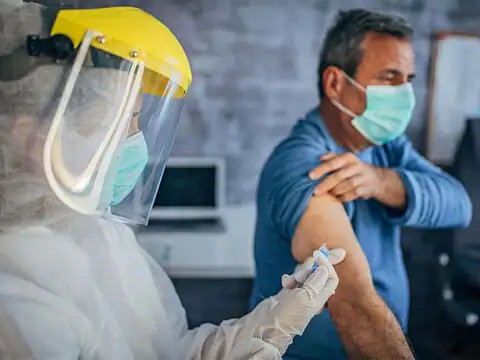
The United Kingdom this week announced that it has signed a deal for the first ‘human challenge’ trials, where healthy volunteers will be exposed to the SARS-Cov2, the virus that causes Covid-19. Why is the UK doing this? How does this help fight the pandemic and what are the ethical challenges of this approach? Divya Rajagopal reports on the unique nature of these trials
2/6
How it works
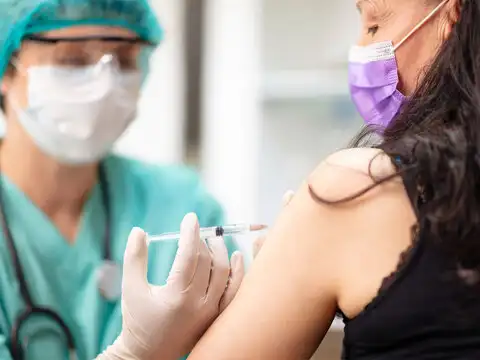
In a human challenge trial, a group of volunteers are infected with a small dose of the pathogen that causes an infectious disease and are then closely monitored to check how their immune system responds. These volunteers are kept in an isolated facility so that they do not infect others. These studies are done to speed up vaccine research as conventional methods of vaccine trials take months or sometimes years to come up with a result on the effectiveness of a candidate. Through the human challenge trial researchers can figure out the kind of immune response needed to fight a disease – this can help in focusing on the most promising vaccine candidate.
3/6
Benefits
UK researchers say that one of the biggest benefits they see in the challenge trials is that they can collect several samples from the young healthy volunteers to understand how the vaccine works in a biological and population level. The immunity levels in healthy volunteers can give an indication whether a vaccine would protect vulnerable groups like the elderly or the immunocompromised from the disease.
Amazon Top Deals
POWERED BY

Crompton Ozone 75 Litres Desert Air Cooler for home | Large & Easy Clean Ice Chamber | 4-Way Air Deflection | High Density Honeycomb Pads | Everlast Pump | Auto Fill| 3 Year Brand Warranty
₹9,798Buy Now43%
OFF

atomberg Studio Smart+ 1200mm BLDC Ceiling Fan with IoT & Remote | BEE 5 star Rated Energy Efficient Ceiling Fan | High Air Delivery with LED Indicators | 3 Year Warranty (Earth Brown)
₹5,903Buy Now36%
OFF

LG 32 L Convection Microwave Oven (MC3286BRUM, Black, 360° Motorised Rotisserie for Bar-be-queing, 301 Auto Cook Menu, Stainless steel cavity, Indian Cuisine, Tandoor Se, Steam Clean & Diet Fry)
₹19,340Buy Now19%
OFF
4/6
WHO says what?
The World Health Organization also endorsed a document on human challenge trials for vaccine development in 2016. The organisation said that such trials may be safely and ethically performed in some cases, if properly designed and conducted.
5/6
Answers needed
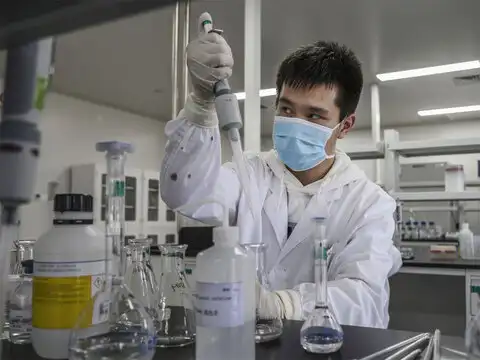
This trial could help answer scientific questions such as why some people get ill while others have no symptoms at all, the way virus is transmitted, the role of limited viral load and super spreaders. These answers could “help inform public health advice and preventive measures like social distancing”
6/6
Ethical issues
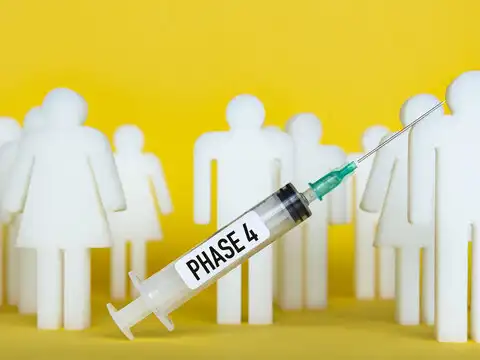
Human challenge trials have been a controversial part of most vaccine research. Even though challenge trials were run for diseases such as flu and typhoid in the past, for Covid-19 the scientific community is divided whether it is necessary to deliberately infect healthy people especially when the information on the consequences of the disease is still emerging. The risks involve long-term impact of the virus infection in an individual, even though there is still limited definitive research on the long-term effects of Covid-19 in a person after they recover from the disease. That is why virologists like Anthony Fauci, the Director of National Institute of Allergy and Infectious Diseases, do not endorse challenge trials as they believe that it should not be difficult to follow the conventional randomized controlled trial to find an answer to vaccine research with the rise in cases.