Budget 2017: 25% jump in IPDS, DDUGJY funds to ensure 24X7 power for all
The allocations under the Integrated Power Development Scheme (IPDS) and DDUGJY have been increased by over 25 per cent to Rs 10,635 crore.
By PTI | Updated:
NEW DELHI: The proposal to hike expenditure under IPDS and DDUGJY schemes together by 25 per cent to Rs 10,635 crore as provided in the budget is likely to pave the way for sustainable energy for all.
The allocations under the Integrated Power Development Scheme (IPDS) and Deen Dayal Upadhyaya Gram Jyoti Yojana (DDUGJY) have been increased by over 25 per cent to Rs 10,635 crore in 2017-18 as compared to budget estimate of Rs 8,500 crore for this fiscal.
However, the budget document stated that the revised estimate of these two schemes together, which are meant for increasing efficiency of power transmission and distribution, was Rs 7,874 crore for the current fiscal.
"Today's budget gave a clear indication of the government's focus to achieve 'sustainable energy for all', with two of its critical steps," Schneider Electric India Country President and MD Anil Chaudhry said on the budget that was presented by Finance Minister Arun Jaitley.
He said, "Providing a boost to rural electrification with a 25 per cent increase in the outlay for key power schemes like IPDS and DDUGJY is expected to fast-track the rural electrification drive, which is now planned to be completed by May 1, 2018. Second, (it can be achieved) by strengthening focus on renewable energy forms with inflow of another 20 GW in the next fiscal."
DDUGJY's objectives include separate agriculture and non-agriculture feeders, strengthen and augment sub-transmission and distribution infrastructure in rural areas and rural electrification.
IPDS' objective is 24x7 power supply for consumers, reduction of AT&C losses and providing access to all households.
The budget has provided Rs 750 crore for 2017-18 under the head Power System Development Fund. The scheme envisages strengthening of existing distribution and transmission infrastructure by part-funding through grants. It also provides for subsidy to discoms purchasing electricity from stranded gas-based power plants.
The overall budget of Ministry of Power has also been raised to Rs 13,881 crore in 2017-18, from Rs 12,252 crore budget estimate and Rs 10,475 crore revised estimate for the current fiscal.
Similarly, the total expenditure of Ministry of New and Renewable Energy has also been increased to Rs 5,473 crore in 2017-18 from budget estimate of Rs 5,036 crore and revised estimate of Rs 4,360 crore in the current fiscal.
Power Minister Piyush Goyal told PTI that the government's push to rural sector and housing for all initiative will stoke demand of power and help improve plant load factor (PLF).
The allocations under the Integrated Power Development Scheme (IPDS) and Deen Dayal Upadhyaya Gram Jyoti Yojana (DDUGJY) have been increased by over 25 per cent to Rs 10,635 crore in 2017-18 as compared to budget estimate of Rs 8,500 crore for this fiscal.
However, the budget document stated that the revised estimate of these two schemes together, which are meant for increasing efficiency of power transmission and distribution, was Rs 7,874 crore for the current fiscal.
"Today's budget gave a clear indication of the government's focus to achieve 'sustainable energy for all', with two of its critical steps," Schneider Electric India Country President and MD Anil Chaudhry said on the budget that was presented by Finance Minister Arun Jaitley.
He said, "Providing a boost to rural electrification with a 25 per cent increase in the outlay for key power schemes like IPDS and DDUGJY is expected to fast-track the rural electrification drive, which is now planned to be completed by May 1, 2018. Second, (it can be achieved) by strengthening focus on renewable energy forms with inflow of another 20 GW in the next fiscal."
DDUGJY's objectives include separate agriculture and non-agriculture feeders, strengthen and augment sub-transmission and distribution infrastructure in rural areas and rural electrification.
ADVERTISEMENT
IPDS' objective is 24x7 power supply for consumers, reduction of AT&C losses and providing access to all households.
The budget has provided Rs 750 crore for 2017-18 under the head Power System Development Fund. The scheme envisages strengthening of existing distribution and transmission infrastructure by part-funding through grants. It also provides for subsidy to discoms purchasing electricity from stranded gas-based power plants.
The overall budget of Ministry of Power has also been raised to Rs 13,881 crore in 2017-18, from Rs 12,252 crore budget estimate and Rs 10,475 crore revised estimate for the current fiscal.
Similarly, the total expenditure of Ministry of New and Renewable Energy has also been increased to Rs 5,473 crore in 2017-18 from budget estimate of Rs 5,036 crore and revised estimate of Rs 4,360 crore in the current fiscal.
ADVERTISEMENT
Power Minister Piyush Goyal told PTI that the government's push to rural sector and housing for all initiative will stoke demand of power and help improve plant load factor (PLF).
Start a SIP with as low as ₹500 with ET Money App!
Download
The Economic Times News App for Quarterly Results, Latest News in ITR, Business, Share Market, Live Sensex News & More.
The Economic Times News App for Quarterly Results, Latest News in ITR, Business, Share Market, Live Sensex News & More.
Related Articles
 India's electrification schemes 'Saubhagya and DDUGJY' appreciated by IEA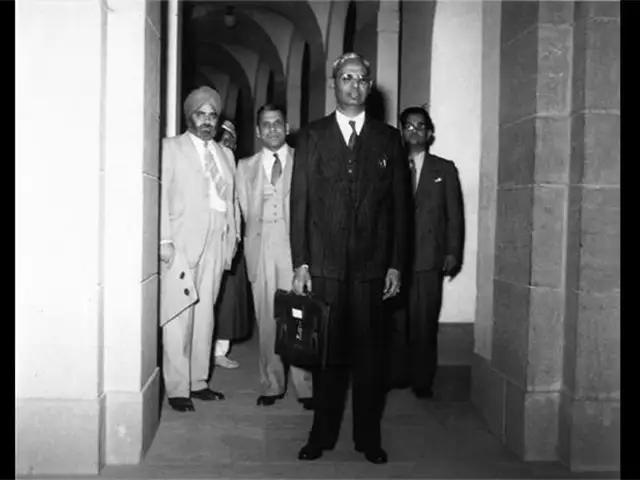
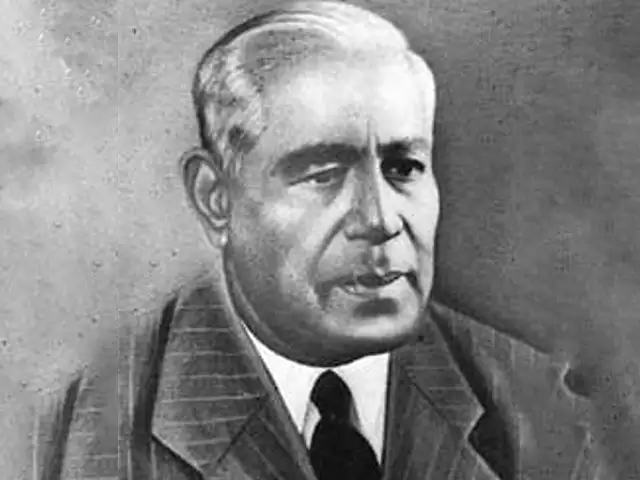
The first budget of Independent India was presented by the first finance minister R K Shanmukham Chetty. This was from the seven-and-a-half period from August 15, 1947 to March 31, 1948. The budget estimate for total revenues was a mere Rs 171.15 crore. A fiscal deficit was a paltry Rs 204.59 cr.

ADVERTISEMENT


