General Atlantic Funds plans to channel one-fourth of its $2 billion-a-year global investments into India
For us now, critically important in the next five or 10 years are two big themes in healthcare and cos driving the mobile internet, says CEO Bill Ford.
MUMBAI: Global private equity fund General Atlantic, which invests $2 billion worldwide every year, is planning to channel as much as a fourth of that into India, said Chief Executive Officer Bill Ford, adding that six sectors have been identified as investment targets — financial services, retail, healthcare, data-driven business process outsourcing, internet advertising and mobile internet.
“Our portfolio is valued at $13 billion in total of existing companies. I would love to have the Indian portfolio represent 20-25% of what we are doing,” said Ford, an investor in Indian data analytics provider Mu Sigma. He’s cautious about ecommerce, into which global investors have been pumping vast amounts of cash. These companies will have to pass the test of profitability, he suggested.
Financial services & IT to drive investment
“I think ecommerce is very low gross margins, very high marketing costs, and significant operating losses,’’ Ford said. “I haven’t seen much change in that and that will be an issue for us as investors.” In 2014, sovereign wealth funds, long-term hedge funds and high networth individuals pumped about $4 billion into Indian ecommerce companies led by market leaders Flipkart and Snapdeal.
Ford said two themes – financial services and information technology -- will continue to drive investments for General Atlantic in India. Financial services will be all about investments by the private sector, he said. As for IT, the fund is looking at the human capital edge, with talent having evolved from the business process outsourcing stage. He cited the investment in Mu Sigma as being based on this strategy.
"Mu Sigma is doing exactly the same thing for data analytics -- BPO business model, tremendous talent in India, strong market need for data analytics and then widening the growth,” Ford said. “They are both business models we know and like.’’
Other active investment themes will be the consumer space, healthcare and businesses driven by mobile internet usage. “For us, critically important in the next five or 10 years are two big themes in healthcare and companies driving mobile internet,’’ Ford said. He sees a surge in internet advertising as marketing dollars being spent offline move toward digital.
“As more consumers in India spend more hours online than what they do with traditional media, more dollars will flow into the sector,” Ford said. “We have seen what then happens all over the world. So, that’s a place where we would want to be active.” The fund invested about $2 billion in India over the past 12 years in 15 companies, returning close to $1.8 billion with exits from Genpact, Patni Computers and Hexaware.
“Our portfolio is valued at $13 billion in total of existing companies. I would love to have the Indian portfolio represent 20-25% of what we are doing,” said Ford, an investor in Indian data analytics provider Mu Sigma. He’s cautious about ecommerce, into which global investors have been pumping vast amounts of cash. These companies will have to pass the test of profitability, he suggested.
Financial services & IT to drive investment
“I think ecommerce is very low gross margins, very high marketing costs, and significant operating losses,’’ Ford said. “I haven’t seen much change in that and that will be an issue for us as investors.” In 2014, sovereign wealth funds, long-term hedge funds and high networth individuals pumped about $4 billion into Indian ecommerce companies led by market leaders Flipkart and Snapdeal.
Ford said two themes – financial services and information technology -- will continue to drive investments for General Atlantic in India. Financial services will be all about investments by the private sector, he said. As for IT, the fund is looking at the human capital edge, with talent having evolved from the business process outsourcing stage. He cited the investment in Mu Sigma as being based on this strategy.
"Mu Sigma is doing exactly the same thing for data analytics -- BPO business model, tremendous talent in India, strong market need for data analytics and then widening the growth,” Ford said. “They are both business models we know and like.’’
ADVERTISEMENT
Other active investment themes will be the consumer space, healthcare and businesses driven by mobile internet usage. “For us, critically important in the next five or 10 years are two big themes in healthcare and companies driving mobile internet,’’ Ford said. He sees a surge in internet advertising as marketing dollars being spent offline move toward digital.
“As more consumers in India spend more hours online than what they do with traditional media, more dollars will flow into the sector,” Ford said. “We have seen what then happens all over the world. So, that’s a place where we would want to be active.” The fund invested about $2 billion in India over the past 12 years in 15 companies, returning close to $1.8 billion with exits from Genpact, Patni Computers and Hexaware.
Start a SIP with as low as ₹500 with ET Money App!
Download
The Economic Times News App for Quarterly Results, Latest News in ITR, Business, Share Market, Live Sensex News & More.
The Economic Times News App for Quarterly Results, Latest News in ITR, Business, Share Market, Live Sensex News & More.
Smriti Jain, Economictimes.com
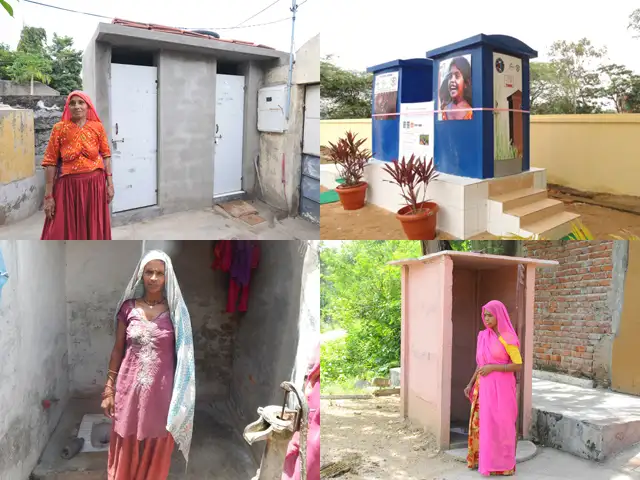
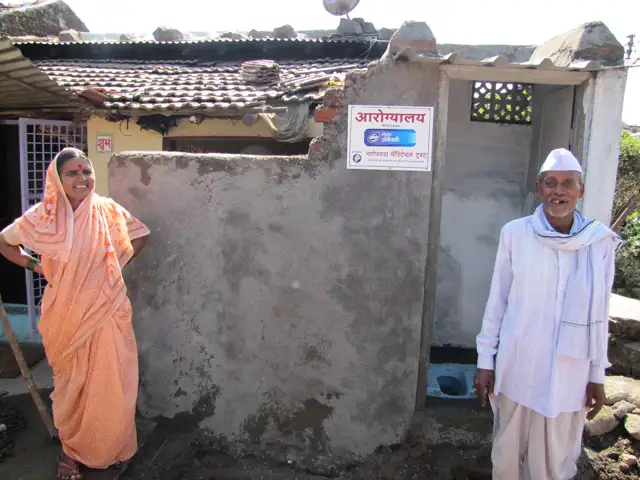
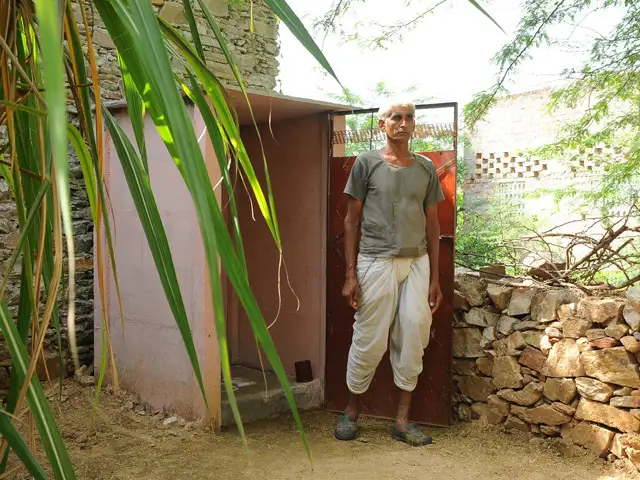
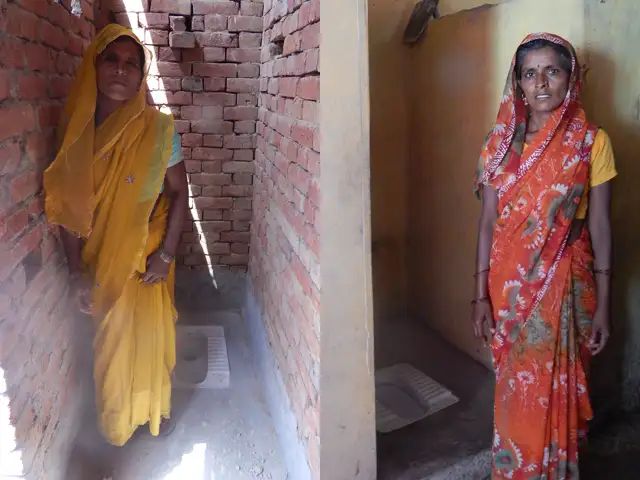
PM Narendra Modi's 'Swachh Bharat' dream, and his appeal to corporates to invest in building toilets as a part of their CSR has met with a positive response from India Inc, with many companies promising to spend big money to 'clean up' India.
While some companies have announced fresh plans to lay emphasis on building toilets, there are others that have been actively in involved in the process in various parts of the country.
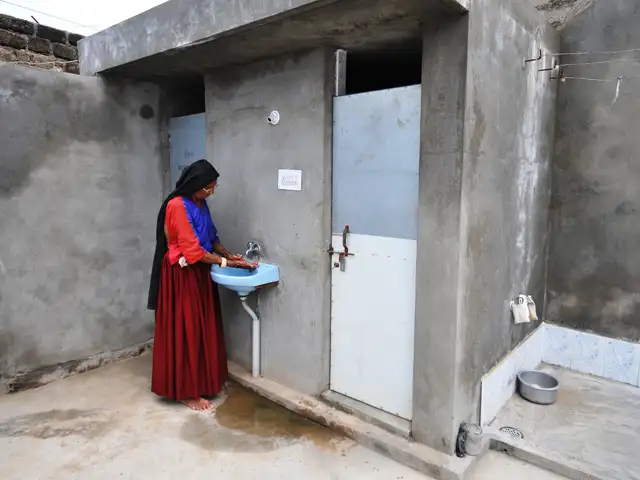
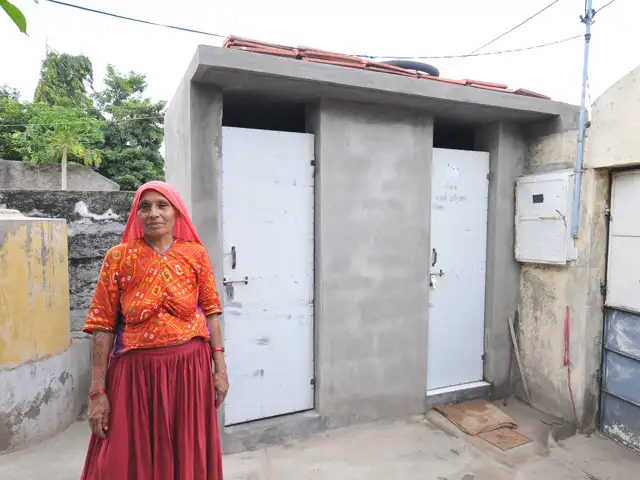
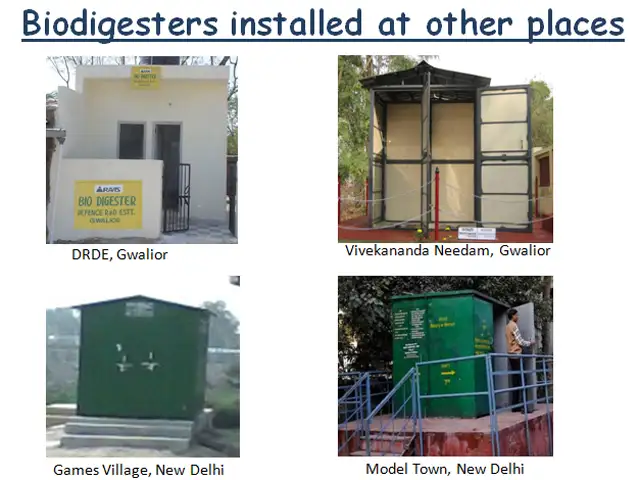
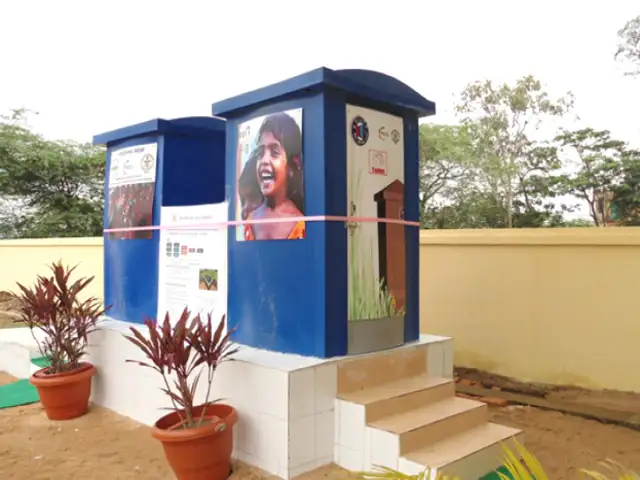
We take a look at some corporates who have already built toilets and some exemplary models, such as DRDO's bio-toilets, that can be adopted on a pan-India scale.
PM Narendra Modi's 'Swachh Bharat' dream, and his appeal to corporates to invest in building toilets as a part of their CSR has met with a positive response from India Inc, with many companies promising to spend big money to 'clean up' India.
While some companies have announced fresh plans to lay emphasis on building toilets, there are others that have been actively in involved in the process in various parts of the country.
We take a look at some corporates who have already built toilets and some exemplary models, such as DRDO's bio-toilets, that can be adopted on a pan-India scale.



ADVERTISEMENT


