

Talking Point
Markets & Budget





Taxes & You
 These individuals can't switch between old and new income tax regimes every year
 How new income tax rates impact those with Rs 10 lakh salary
 Govt needs to clarify how TDS from salary will work in new income tax regime: Experts
 ET Wealth Wisdom: DDT or no DDT, no one should have invested in MF dividend plans




SME & Tech




Economy
Budget FAQs
Impact AreasKey Developments
 Jaquar Group boss optimistic Budget 2020 will increase consumer's purchasing power
 What’s common between FM Nirmala Sitharaman and Tata Sons Chairman N Chandrasekaran?
 'Budget's 3-pronged approach aims at providing social security through pension, insurance ...
 Budget 2020: Good, Bad Or Blah? Luxe, Fashion Bosses Weigh In
Key Developments
- 2014
- 2015
- 2016
- 2018
- 2019




Key Developments
- 2014
- 2015
- 2016
- 2017
- 2018
- 2019
 Zero-budget farming may not be a good move for fertiliser companies: Experts
 Aviation Ministry to launch Krishi Udan scheme for transport of agri-products: FM
 Special train for farmers for faster transport of perishable items
 Government sets agri credit target at Rs 15 lakh cr for FY21, says Sitharaman
Key Developments
- 2014
- 2015
- 2016
- 2017
- 2018
- 2019



Key Developments
- 2014
- 2015
- 2016
- 2017
- 2018
- 2019
Common Man's Budget




Sectors In Focus
Healthcare/Biotech
 Sanofi healthcare receives CDSCO approval for Qftilia therapy for haemophilia patients in ...
 NATCO Pharma subsidiary launches Carboplatin in US market to address shortages
 NPPA caps trade margins on 137 cancer drugs at 30%, revised prices from Nov 9
 HLL Lifecare launches eStore to expand direct-to-consumer reach
 AYUSH sees rise in patents filings showcasing innovation growth; 4,077 applications filed ...
 Form panel to curb pharma freebies: SC
 Advent International seeks CCI green channel clearances for Yatharth Hospital stake buy
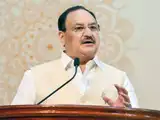 Before Ayushman Bharat, families sold their homes to afford treatment: J P Nadda
 Jagsonpal Pharma to acquire Group Pharma’s wellness portfolio
 Drug regulator warns against prolonged use of painkillers, antibiotics
Cons Products
 Defence canteens suspend orders for 3 Old Monk variants after Maharashtra FSSAI action
 Haier India to invest ₹7,000 crore in new facility in Andhra
 Uniqlo India net profit rises 41% to Rs 253 cr in FY26; co bets on expansion
 Government mulls further tightening of FDI norms in tobacco sector: Sources
 ISM 2.0 to catalyse investments, boost self reliance: NITI Aayog's Abhay Karandikar
 Delivery partners in Hyderabad protest at online grocery store; alleging supply of expired...
 Consumer demand revives, but D-Mart shares plunge amid e-commerce fears
 PLI push and rising demand take AC makers deeper into South India
 As gold hallmarking charges rise, fraudsters get busy too
 India’s 8% global gems, jewellery share has room to grow
Banking/Finance
 Systemic liquidity seen uneven as some banks continue market borrowing
 Karur Vysya Bank targets 18-20% credit growth in FY27, corporate lending capped at 20%
 Demand for bank loans rises amid hardening yields
 SC ruling deals a heavy blow to Yes Bank's risk equity capital
 IRDAI eyes January 2028 beta launch of Public Insurance Registry: Chairman Ajay Seth
 Astranova Mobility arm gets NBFC licence, targets Rs 5,000 cr AUM in 5 years
 HDFC Bank launches festival offer with host of benefits
 RBI raises average CRR maintenance requirement for banks
 Surging bond yields likely to slash banks' treasury income
 National Housing Bank likely to double affordable housing outlay for HFCs this fiscal
Auto
 Car registrations plunge 22% this Navratri despite strong deliveries
 Technology overtakes brand in influencing India’s car-buying decisions: Report
 Navratri vehicle sales hit a speed bump, but EVs race ahead 27%: FADA
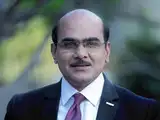 Schaeffler India CEO & MD taken into custody over June factory accident
 Stellantis India targets to halve vehicle development time, boost localisation
 Ferrari accelerates India expansion, opens doors to EU trade pact benefits
 Carmakers gear up with multi-powertrain models as Indian buyers shift beyond petrol, diese...
 Honda Motorcycle & Scooter India expects FY27 domestic sales volume at 6 million units
 Jaguar Land Rover India expands retail presence in Delhi, Gurugram; sees NCR as key market
 Renault India’s hybrid-CNG bet could transform its sales mix: CEO Stephane Deblaise
Energy
 Kalpataru Projects International secures domestic work orders worth ₹2,349 crore
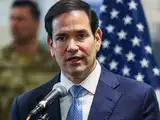 From Venezuela to Texas to Jamnagar: Marco Rubio’s dash for energy
 India's data-centre capacity may surge to 24-26 GW, impact on overall power demand to rema...
 Essar Oil & Gas wins five CBM blocks across three states, adds 6.6 Tcf gas reserves
 Tata Power announces ₹15,000 crore Mumbai grid expansion plan to meet rising AI demand
 India, China better positioned for Hormuz disruptions; Russian oil purchases likely to con...
 Vedanta plans $200 million push to lift Rajasthan oil output
 Aramco Trading sells 10 million bbls Khafji crude to Asian refiners, sources say
 Oil slides as Saudi Arabia boosts flows via key pipeline
 CCI seeks more info on Adani Energy's IntelliSmart deal
Transportation
 Mumbai Port invites global bids for Rs 922.67 crore marina at Victoria Dock
 Deendayal Port Authority issues LoA to Essar Ports Ltd. to develop Multi-Purpose Cargo Ter...
 Maersk to undertake its first planned India dry docking this month
 'Govt has no plans to regulate airfares'
 Jindal Steel arm commissions Phase-I cargo terminal in Odisha
 Only 45 stations closed, not total ban: DMRC in SC; chief apologises
 Festive rush: Airlines hike fuel surcharge as ATF prices soar
 Airlines suspend, cut Riyadh flights amid security concerns
 Flyadeal looks to expand India network beyond Mumbai, Hyderabad
 EXPLAINER: Why are airlines and Adani airports at dispute
बजट हिंदी में
 बजट 2026: नौकरियों से लेकर हाई-स्पीड ट्रेन तक, आम आदमी के लिए क्या बदलेगा? टैक्स में क्यों नहीं आई राहत?
- Ayushman Bharat Scheme के लिए बजट 2026 में क्या खास, क्या सरकार ने किया कोई बदलाव?
- Crypto पर सरकार की सख्ती: गलत रिपोर्टिंग की तो रोज लगेगा जुर्माना, Budget 2026 ने बदला खेल
- Budget 2026: विदेशों से पर्सनल इस्तेमाल के लिए सामान मंगाना और विदेश घूमने जाना हुआ सस्ता, जानें बजट में क्या हुई घोषणाएं
- Budget 2026 For Education: शिक्षा क्षेत्र के लिए बजट में क्या कुछ खास, सरकार पहले से ज्यादा करेगी खर्च, जानें डिटेल्स
Details on Budget
Finance Minister Nirmala Sitharaman in her Budget brought in a new tax regime for individuals, abolished DDT and announced record spending in agriculture and infrastructure sectors to pull the economy out of its worst slowdown in more than a decade. The cut in income tax rates, which would help save Rs 1,820 to Rs 20,300 a year in tax for persons with annual income of above Rs 10 lakh, was however conditioned on foregoing current exemptions and deductions, including standard deduction for Rs 50,000 as well as the waiver earned on payment of up to Rs 1.5 lakh in tuition fee of children, and contribution towards insurance premium and provident fund.
Alongside, the limit of insurance cover in case of bank failure on deposits was increased to Rs 5 lakh from Rs 1 lakh and a sale of government stake in the country's largest insurer Life Insurance Corporation (LIC) announced. The stock market, however, reacted negatively as the benchmark Sensex suffered its biggest single-day loss in over a decade on concerns over lack of growth boosting measures and fiscal discipline.
For farm and rural sectors, she allocated Rs 2.83 lakh crore and fixed Rs 15 lakh crore target for giving agriculture credit. Another Rs 1.7 lakh crore spending was planned for transport infrastructure and Rs 40,740 crore allocation was made for the energy sector.
In doing so, the government will miss its deficit target for the third year in a row, pushing shortfall to 3.8 per cent of GDP in the current fiscal as compared to 3.3 per cent previously planned. The fiscal deficit target for the coming fiscal year starting April 1 has been fixed at 3.5 per cent.