
 Daily Top 5 Daily Top 5 |
Infosys Q4 profit spikes; Flipkart mulls separate app for Minutes
Want this newsletter delivered to your inbox?
I agree to receive newsletters and marketing communications via e-mail

Thank you for subscribing to Daily Top 5
We'll soon meet in your inbox.
Infosys closed FY26 with strong numbers aided by a pickup in demand from its banking, energy and communication segments. This and more in today's ETtech Top 5.
Also in the letter:
■ Anthropic nears $1 trillion
■ Microdrama apps eye telco bundles
■ STCH raises fresh capital
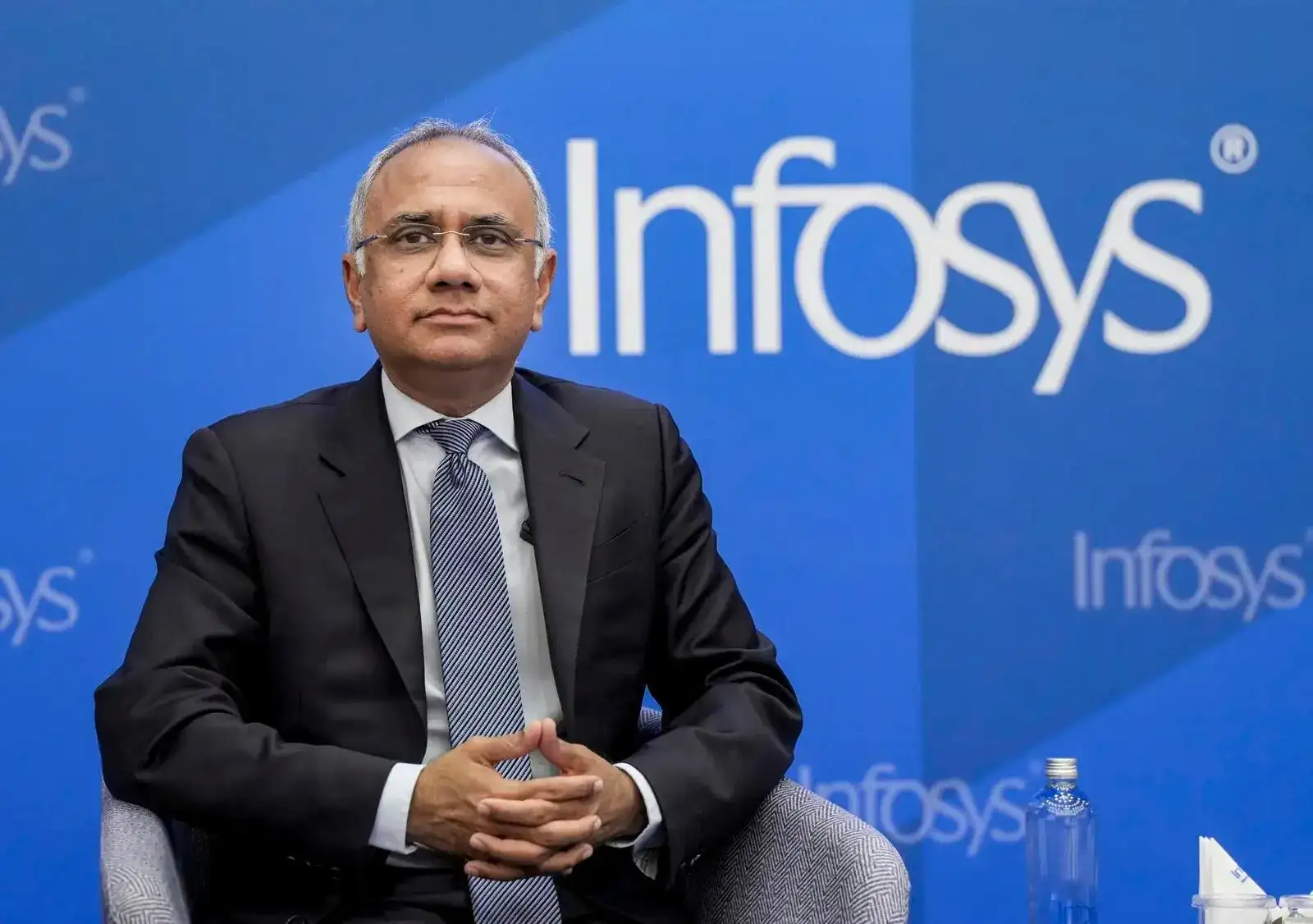 Salil Parekh, CEO, Infosys
Infosys, India's second-largest IT services firm, reported a sharp rise in its March-quarter profit, even as global tech spending remains under pressure.
Financials:
Outlook: Infosys on Thursday projected revenue growth of 1.5%-3.5% for FY27, a shade below street expectations, with the management indicating that the demand environment is stable but still not robust.
The guidance comes a day after weaker outlook from rival HCLTech erased about Rs 92,000 crore in value from the Nifty IT index.
Adding headcount: CFO Jayesh Sanghrajka on Thursday said the company plans to hire 20,000 freshers in FY27. Infosys’ total employee count stood at 328,594 at the end of the quarter ended March.
CEO's take: "The simplicity and strength of our AI services strategy across six areas is gaining traction in the market, further strengthened by strong ecosystem AI partnerships enabling clients to get value from AI," CEO and MD Salil Parekh said.
Also Read: Infosys board approves Esops for CEO Salil Parekh, employees
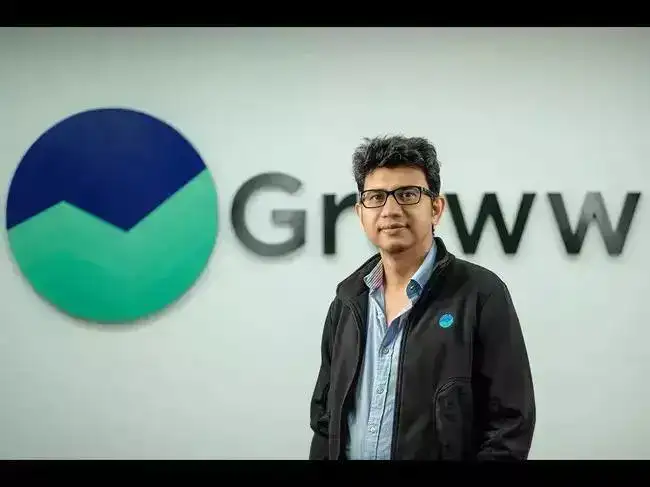 Lalit Keshre, CEO, Groww
Shares of Billionbrains Garage Ventures, Groww’s parent, rose more than 2% on Thursday to an intraday high of Rs 222.80, extending a 14% gain over the past three sessions after its March-quarter results.
It closed down 0.1% at Rs 217.65 on the BSE.
Also Read: Groww Q4 FY26 results: Operating revenue surges 87%, net profit more than doubles
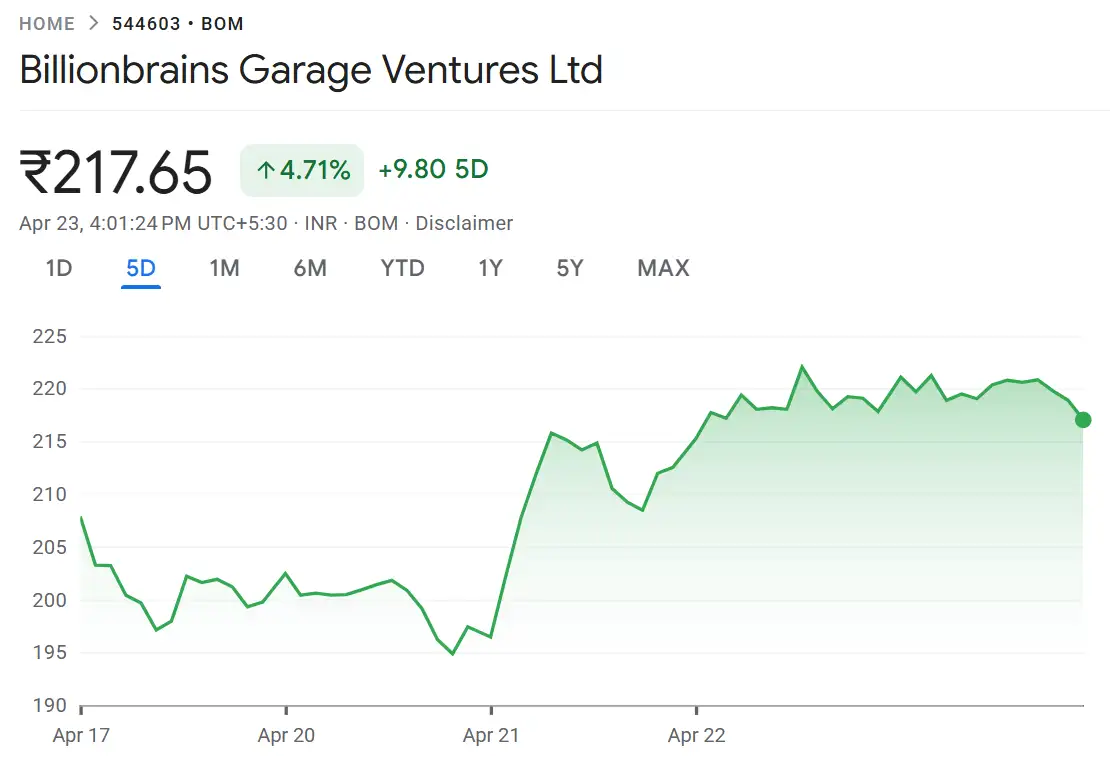 Source: Google Finance
Analyst view: Jefferies and Motilal Oswal both remain positive, with target prices of Rs 225 and Rs 235 respectively, citing recovery in order volumes, stronger profitability and better cross-selling than peers.
For context: In November last year, Groww listed at Rs 114 on the BSE, as against the issue price of Rs 100.
Also Read: Competition doesn’t limit growth in India: Groww’s Lalit Keshre on building a full-stack wealth platform

Flipkart is preparing to spin out its quick commerce offering, Flipkart Minutes, into a standalone app ahead of its flagship Big Billion Days sale later this year, sources told us.
But, when? Flipkart Minutes, currently tucked under a tab in the main Flipkart app, is likely to get its own app next quarter. “The company is targeting a pilot launch of the app around July, with a full-scale rollout before the year-end,” one person in the know said.
Déjà vu: Flipkart's move follows Swiggy’s decision to launch a separate Instamart app in January last year. Cofounder & group CEO Sriharsha Majety has said the shift reflects the belief that quick commerce is on track to overtake food delivery in both penetration and scale.
Standalone fate: Industry experts say separate apps can improve visibility and brand recall, but user adoption can be slow. Early data on Swiggy shows a somewhat mixed picture.
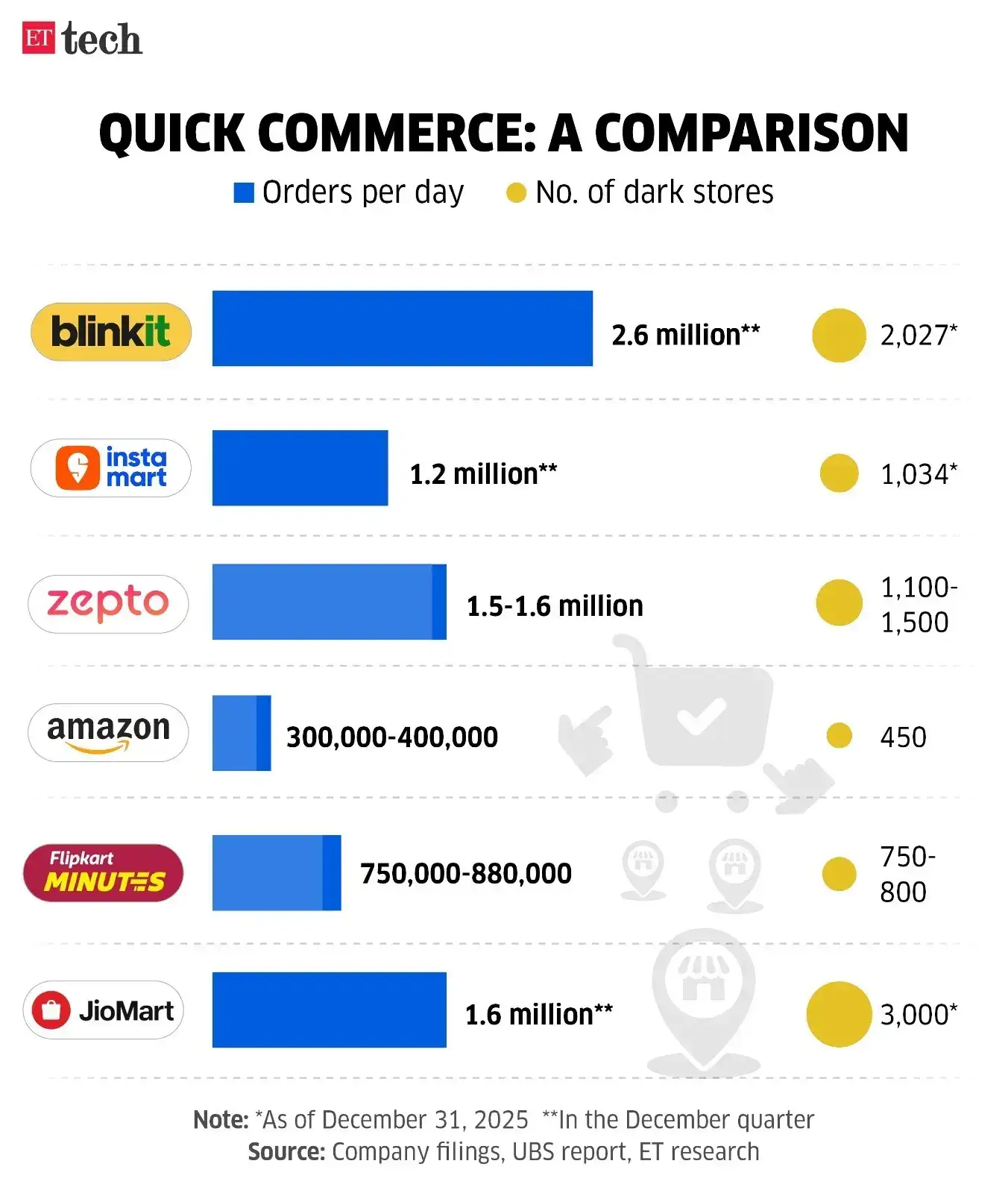
In other news: Amazon India on Thursday announced it will invest Rs 2,800 crore (about $300 million) to scale up its infrastructure and operations as it looks to double the footprint of Amazon Now, its quick commerce play that remains within the main Amazon app.
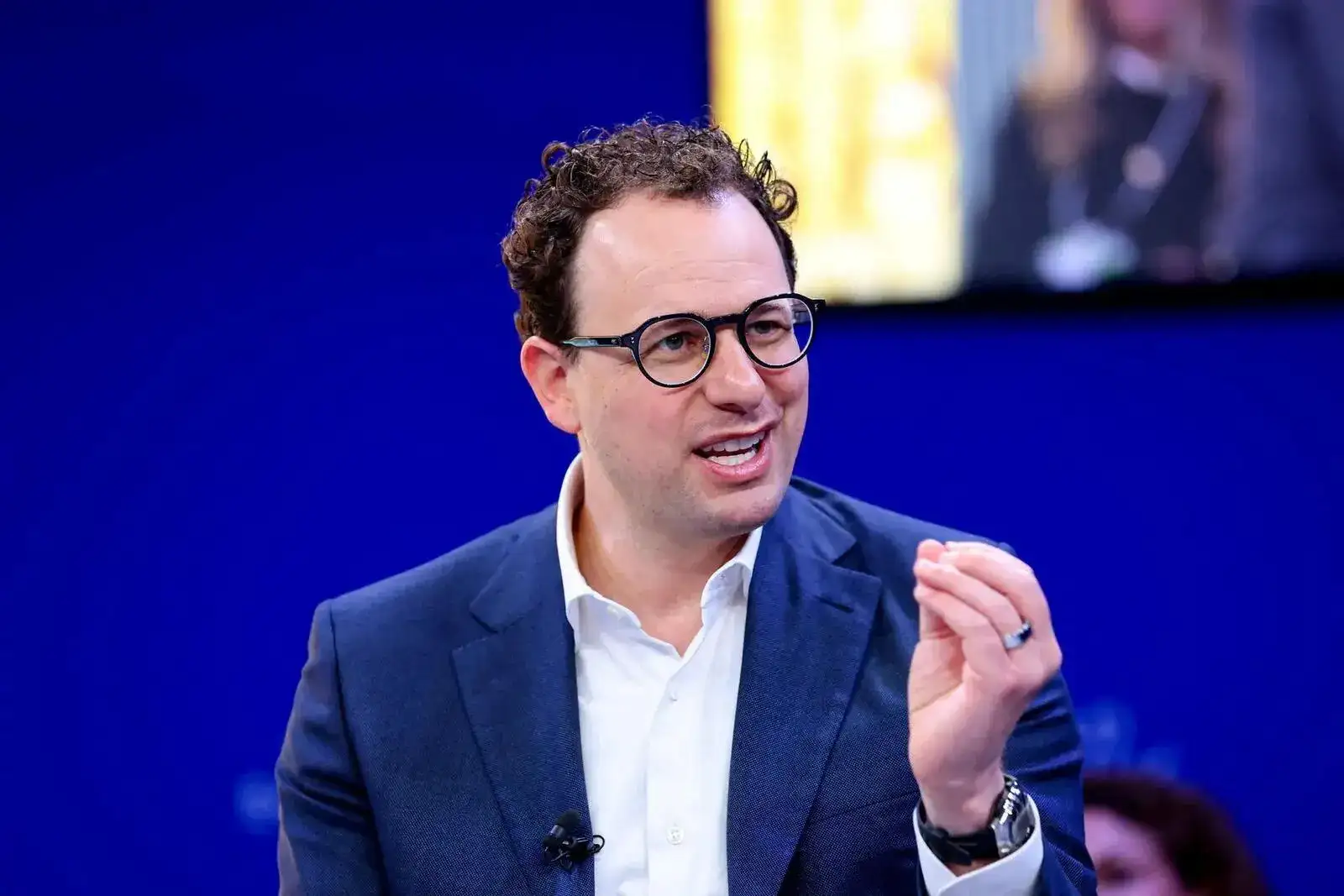 Dario Amodei, CEO, Anthropic
Anthropic is drawing intense interest in secondary markets, with its implied value nearing $1 trillion on private marketplace exchange Forge Global, according to Business Insider.
Rival check: That level puts Anthropic ahead of OpenAI on the same platform, where OpenAI is trading at around $880 billion. Demand for OpenAI shares has cooled somewhat, even though its most recent primary round valued it at about $852 billion, versus Anthropic’s last primary valuation of roughly $380 billion.
Tell me more: Existing shareholders are getting multiple inbound offers each day to sell their stock. Some are quoting prices that imply a valuation of $1.15 trillion. In some cases, prospective buyers are considering large-scale personal asset sales to secure a stake in the company.
Also Read: From AI to everything: How Anthropic is taking on tech’s old guard
Yes, but? Much of the demand is driven by fear of missing out, with investors and funds feeling pressure to secure shares regardless of price.
Also Read: Amazon to invest up to $25 billion in Anthropic as part of $100 billion cloud deal
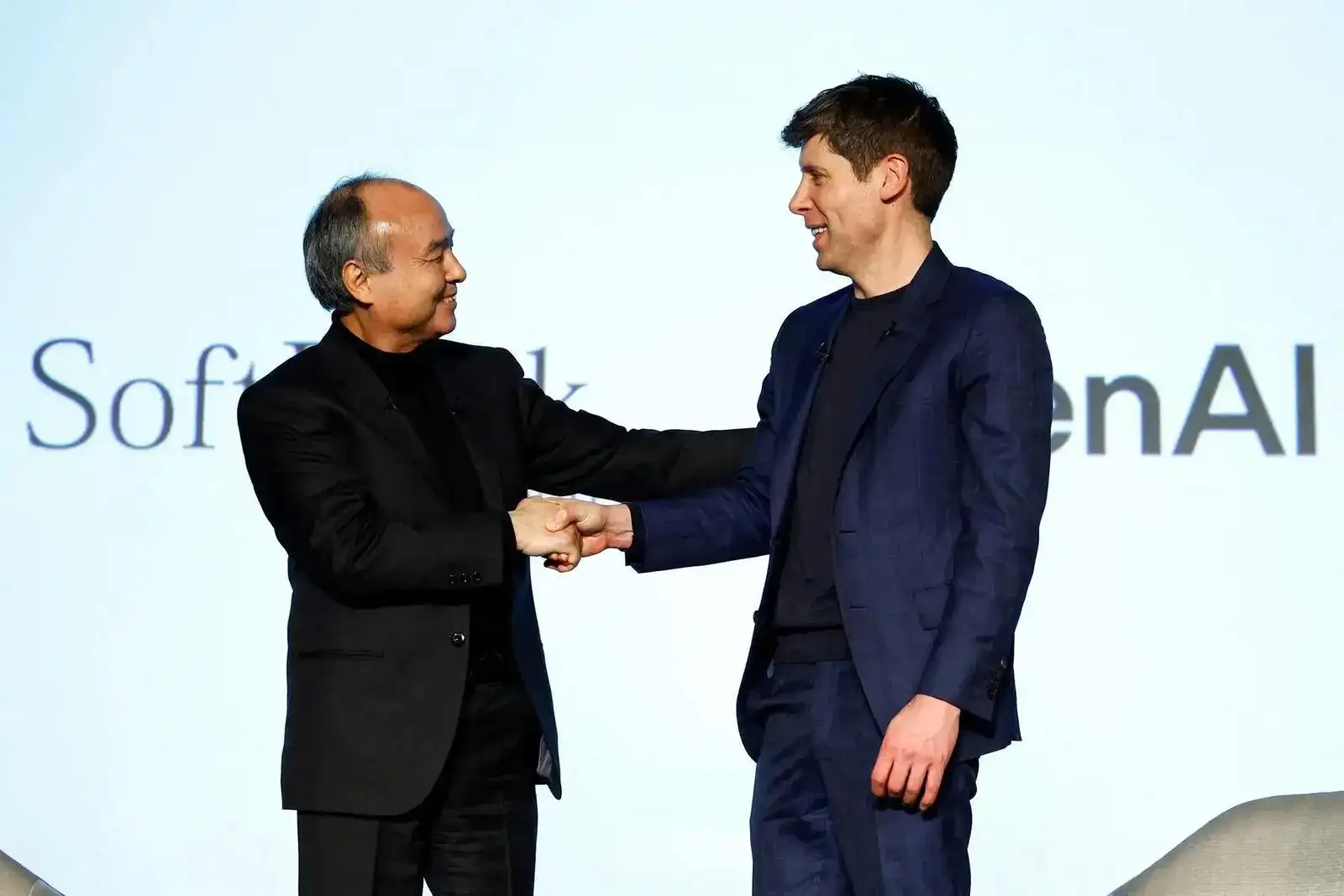 (L-R) Masayoshi Son, CEO, SoftBank and Sam Altman, CEO, OpenAI
SoftBank is in talks for a $10 billion loan secured against its OpenAI shares to bankroll its AI ambitions, Bloomberg reported.
The proposed facility would run for two years and include an option for SoftBank to extend it by another year, the report added. The move coms after a turbulent run for the Vision Fund, which has swung between large gains and steep losses as tech valuations whipsaw.

Microdrama platforms and telecom companies are beginning to ally in search of paying subscribers, as a rush of new apps fragments the market and erodes pricing power.
What's happening? Microdrama apps have exploded in popularity and have collectively crossed 250 million downloads in India. That surge, however, has not translated into a proportional rise in paying subscribers.
To bridge that gap, platforms are experimenting with new distribution and monetisation models, including bundling their services with mobile plans and offering joint subscriptions with telcos.
Also Read: India’s fast-growing micro-drama segment faces subscription trust hurdle
Telecom operators, which already bundle large video OTT services with premium plans, are now evaluating similar packs for microdrama apps. Such bundles can lift average revenue per user (ARPU) and reduce churn.
Expert take: Salone Sehgal, founder of venture capital fund Lumikai, cautions that bundles are not a free lunch. While they can quickly expand reach, content platforms risk ceding control over pricing, profit margins, and user data to distribution partners.
Also Read: India’s microdrama market braces for new wave of competition
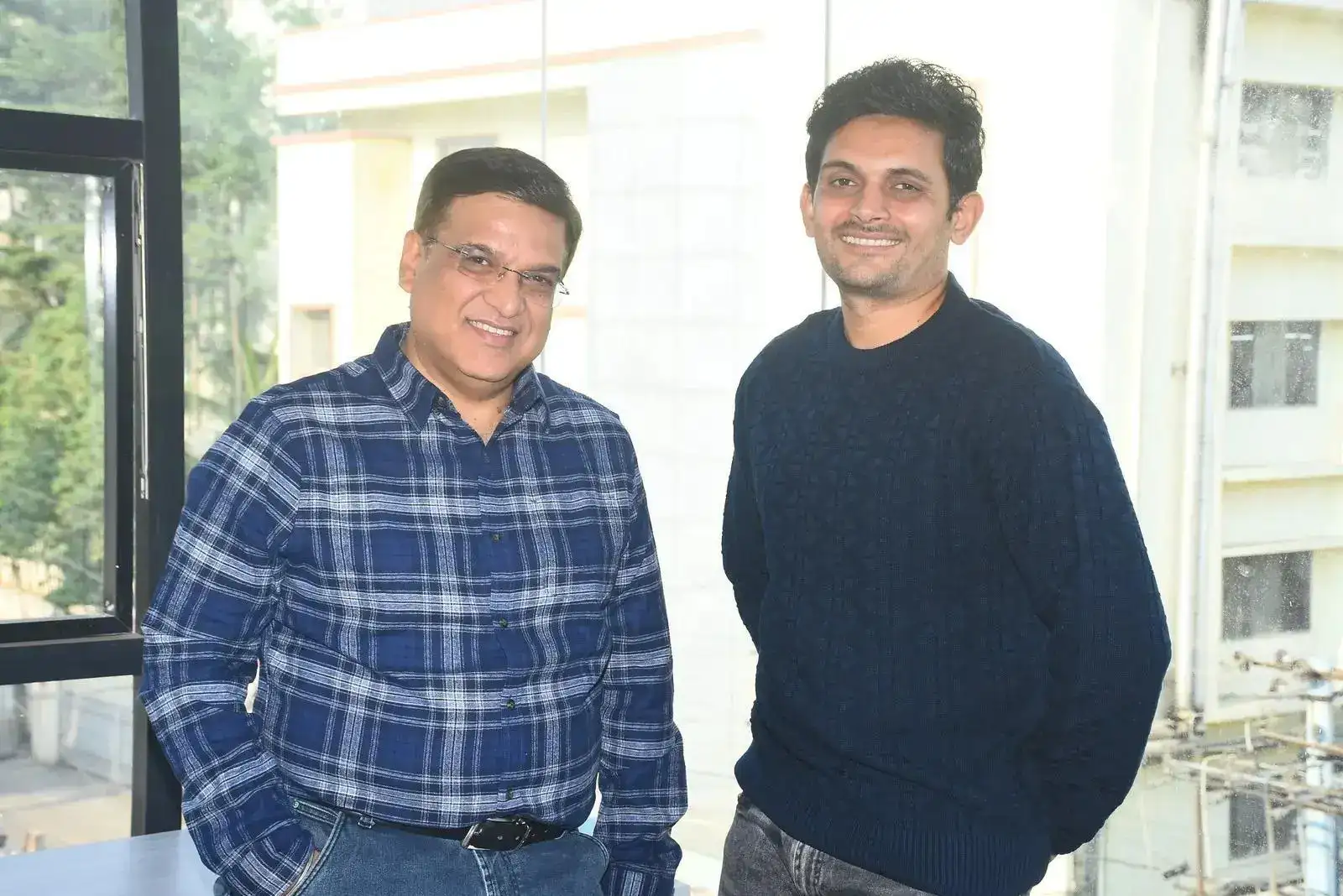 (L-R) Narahari Payala and Aseem Chitkara, founders, STCH
Contract development and manufacturing (CDMO) platform STCH has raised $5.5 million in a round led by Omnivore, with participation from Kae Capital and WVC.
What it does: The company is trying to make fabric development more predictable by using AI to scan global fashion trends, decode fabric compositions and recreate similar materials through its R&D and manufacturing network across India and Asia.
The startup said it will use the money to expand its AI stack, build a fabric R&D lab, deepen mill partnerships and enter new markets such as the US and Spain.
Also in the letter:
■ Anthropic nears $1 trillion
■ Microdrama apps eye telco bundles
■ STCH raises fresh capital
Infosys Q4 consolidated profit jumps 21% YoY to Rs 8,501 crore
Infosys, India's second-largest IT services firm, reported a sharp rise in its March-quarter profit, even as global tech spending remains under pressure.
Financials:
- Net profit: Up 21% at Rs 8,501 crore versus Rs 7,033 crore in the year-ago period.
- Revenue from operations: Up 13.4% at Rs 46,402 crore, compared to Rs 40,925 crore last year.
- Dividend: Rs 25 per equity share.
- Deal booking: Large-order bookings, or deals over $30 million, totalled $3.2 billion.
Outlook: Infosys on Thursday projected revenue growth of 1.5%-3.5% for FY27, a shade below street expectations, with the management indicating that the demand environment is stable but still not robust.
The guidance comes a day after weaker outlook from rival HCLTech erased about Rs 92,000 crore in value from the Nifty IT index.
Adding headcount: CFO Jayesh Sanghrajka on Thursday said the company plans to hire 20,000 freshers in FY27. Infosys’ total employee count stood at 328,594 at the end of the quarter ended March.
CEO's take: "The simplicity and strength of our AI services strategy across six areas is gaining traction in the market, further strengthened by strong ecosystem AI partnerships enabling clients to get value from AI," CEO and MD Salil Parekh said.
Also Read: Infosys board approves Esops for CEO Salil Parekh, employees
Groww shares rally 14% in just three days
Shares of Billionbrains Garage Ventures, Groww’s parent, rose more than 2% on Thursday to an intraday high of Rs 222.80, extending a 14% gain over the past three sessions after its March-quarter results.
It closed down 0.1% at Rs 217.65 on the BSE.
Also Read: Groww Q4 FY26 results: Operating revenue surges 87%, net profit more than doubles
Analyst view: Jefferies and Motilal Oswal both remain positive, with target prices of Rs 225 and Rs 235 respectively, citing recovery in order volumes, stronger profitability and better cross-selling than peers.
For context: In November last year, Groww listed at Rs 114 on the BSE, as against the issue price of Rs 100.
Also Read: Competition doesn’t limit growth in India: Groww’s Lalit Keshre on building a full-stack wealth platform
Flipkart may launch standalone app for quick commerce business Minutes
Flipkart is preparing to spin out its quick commerce offering, Flipkart Minutes, into a standalone app ahead of its flagship Big Billion Days sale later this year, sources told us.
But, when? Flipkart Minutes, currently tucked under a tab in the main Flipkart app, is likely to get its own app next quarter. “The company is targeting a pilot launch of the app around July, with a full-scale rollout before the year-end,” one person in the know said.
Déjà vu: Flipkart's move follows Swiggy’s decision to launch a separate Instamart app in January last year. Cofounder & group CEO Sriharsha Majety has said the shift reflects the belief that quick commerce is on track to overtake food delivery in both penetration and scale.
Standalone fate: Industry experts say separate apps can improve visibility and brand recall, but user adoption can be slow. Early data on Swiggy shows a somewhat mixed picture.
- Instamart's standalone app clocked around 2-3 million daily active users (DAU) so far in April 2026, per a Bank of America (BofA) report released on Thursday.
- Most Instamart orders, however, still come through the main Swiggy app.
- Blinkit and Zepto, which have always operated standalone apps, are meaningfully ahead, with about 14 million and 12 million DAU, respectively, over the same period.
In other news: Amazon India on Thursday announced it will invest Rs 2,800 crore (about $300 million) to scale up its infrastructure and operations as it looks to double the footprint of Amazon Now, its quick commerce play that remains within the main Amazon app.
Anthropic valuation nears $1 trillion in secondary markets amid investor frenzy
Anthropic is drawing intense interest in secondary markets, with its implied value nearing $1 trillion on private marketplace exchange Forge Global, according to Business Insider.
Rival check: That level puts Anthropic ahead of OpenAI on the same platform, where OpenAI is trading at around $880 billion. Demand for OpenAI shares has cooled somewhat, even though its most recent primary round valued it at about $852 billion, versus Anthropic’s last primary valuation of roughly $380 billion.
Tell me more: Existing shareholders are getting multiple inbound offers each day to sell their stock. Some are quoting prices that imply a valuation of $1.15 trillion. In some cases, prospective buyers are considering large-scale personal asset sales to secure a stake in the company.
Also Read: From AI to everything: How Anthropic is taking on tech’s old guard
Yes, but? Much of the demand is driven by fear of missing out, with investors and funds feeling pressure to secure shares regardless of price.
Also Read: Amazon to invest up to $25 billion in Anthropic as part of $100 billion cloud deal
SoftBank seeks $10 billion margin loan backed by OpenAI shares: Bloomberg
SoftBank is in talks for a $10 billion loan secured against its OpenAI shares to bankroll its AI ambitions, Bloomberg reported.
The proposed facility would run for two years and include an option for SoftBank to extend it by another year, the report added. The move coms after a turbulent run for the Vision Fund, which has swung between large gains and steep losses as tech valuations whipsaw.
Microdrama apps chase telco bundles as subscription growth lags despite download surge
Microdrama platforms and telecom companies are beginning to ally in search of paying subscribers, as a rush of new apps fragments the market and erodes pricing power.
What's happening? Microdrama apps have exploded in popularity and have collectively crossed 250 million downloads in India. That surge, however, has not translated into a proportional rise in paying subscribers.
To bridge that gap, platforms are experimenting with new distribution and monetisation models, including bundling their services with mobile plans and offering joint subscriptions with telcos.
Also Read: India’s fast-growing micro-drama segment faces subscription trust hurdle
Telecom operators, which already bundle large video OTT services with premium plans, are now evaluating similar packs for microdrama apps. Such bundles can lift average revenue per user (ARPU) and reduce churn.
Expert take: Salone Sehgal, founder of venture capital fund Lumikai, cautions that bundles are not a free lunch. While they can quickly expand reach, content platforms risk ceding control over pricing, profit margins, and user data to distribution partners.
Also Read: India’s microdrama market braces for new wave of competition
STCH bets on AI to fix trial-and-error in fabric R&D, raises $5.5 million from Omnivore, Kae Capital
Contract development and manufacturing (CDMO) platform STCH has raised $5.5 million in a round led by Omnivore, with participation from Kae Capital and WVC.
What it does: The company is trying to make fabric development more predictable by using AI to scan global fashion trends, decode fabric compositions and recreate similar materials through its R&D and manufacturing network across India and Asia.
The startup said it will use the money to expand its AI stack, build a fabric R&D lab, deepen mill partnerships and enter new markets such as the US and Spain.
Want this newsletter delivered to your inbox?
I agree to receive newsletters and marketing communications via e-mail